


Mortgage Intermediaries
Mortgage intermediaries play a crucial role in the lending process
The mortgage intermediary provides the following services:
✓ Identifies the most appropriate lender for the borrower
✓ Guides the borrower through the mortgage transaction
✓ Chases up missing information to enable the transaction to go through.
This can range from speaking to estate agents about timescales to solicitors missing required forms.
Following the implementation of the protocol, a mortgage intermediary will have the opportunity to collaborate with other stakeholders to ensure an efficient customer journey without any duplicated actions from the customer.
Process flow to exchange of contracts
When recommended practice is followed, these are the key stages in a property transaction involving mortgage intermediaries and the main activities they are involved in
Decision in principle
-
Borrower ID
-
VISA
-
Income
-
Credit reference
-
AML due diligence
Upfront information
-
Property Logbook
-
Assess and advise on surveys and mortgage ability
-
Review Material Information
-
Mortgage in principle
-
Proof of funds and Buyer ID
Viewing
Offer
made
-
Mortgage application
-
Contract pack
-
Valuation
-
Survey (where advised)
-
Due diligence
-
Enquiry of specifics relevant to the Buyer and their Lende
Rules and Regulations
The following rules and regulations apply to mortgage intermediaries
-
In the UK, Mortgage Intermediaries need to abide by the Financial Conduct Authority (FCA) code of conduct.
-
The Consumer Protection from Unfair Trading Regulations 2008 (Consumer Protection Regulations, CPR) identifies what information should be revealed to the borrower during the process.
-
They must adhere to the Money Laundering Regulations 2017 and be aware of the Proceeds of Crime Act 2002, which is the main money laundering legislation covering offences in the UK.

Material Information
Material Information (MI) means the information relevant to the property which would impact the average consumer’s ability to make an informed transactional decision.
This covers the legal and physical aspects of the property, along with the affordability of the financial aspects.
This will include things like:
-
Size of the property
-
Any restrictions on the property
-
The tenure of the property (leasehold, freehold, commonhold)
What data does a mortgage intermediary need?
A mortgage intermediary would benefit from a range of data to support their service, including

Personal details
-
Anti-Money Laundering (AML) verification
-
Any outstanding credit and debt
-
Bank statements
-
Borrower credit score and credit references
-
Borrower ID and necessary visa documentation
-
Employment and self-employment details
-
Evidence of income
-
Full property portfolio (for Buy to Let transactions)
Property details
-
Council tax
-
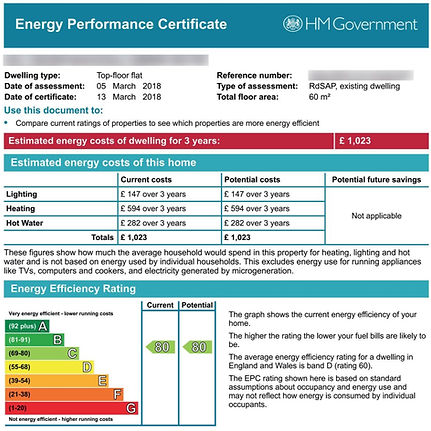
Energy Performance Certificate (EPC)
-
Property type
-
Tenure

Data sources
A mortgage intermediary can obtain data from a variety of sources, including

Asking the borrower for the data

Verifying* the Material Information in existing Property Logbook

Gathering information direct from relevant authority

Receiving verified* Material Information and borrower data, either directly or shared by others in the process
*Authenticating the origin of the data, allows the mortgage intermediary to establish whether the information is verified by the relevant data authority.
Sharing data
The following information obtained by the mortgage intermediary could then be shared with other stakeholders for their benefit

Digital verification certificates will speed up the verification under Anti-Money Laundering requirements for estate agents, conveyancing lawyers and lenders.

The data in the property description, searches, title and seller information is also used by conveyancing lawyers, surveyors, valuers, lenders, estate agents and domestic energy assessors to provide their services.
Benefits and opportunities in collaborating
to share data
Sharing data early and throughout the buying and selling process offers mortgage intermediaries a range of benefits, including
Greater transparency
-
Borrower information allows mortgage intermediaries to identify borrower’s affordability and obtain a mortgage in principle, so the borrower only looks at affordable properties and prevents time wasting.
Faster
certainty
-
Relevant Material Information can be used to recommend the right lender.
-
Incorporating digital survey data and Material Information into the valuation will reduce post valuation queries.
Better
outcomes
-
Greater protection against fraud and money laundering. Less waste on declined applications and transactions falling through.
-
Improved understanding of the process and products.
-
Resources are freed up to provide better customer service.