


Transforming Property Transfers with Digital Protocols
Updated: 3 days ago
Property transfers have long been a complex, time-consuming process involving numerous documents, multiple parties, and often, significant delays. Traditional methods rely heavily on paper-based documentation, face-to-face meetings, and manual verification, which can lead to errors, fraud risks, and inefficiencies. Today, digital protocols are reshaping how property ownership changes hands, making the process faster, more secure, and transparent.
This post explores how digital protocols are transforming property transfers, the benefits they bring, and practical examples of their application. Whether you are a property owner, buyer, real estate professional, or legal expert, understanding these changes can help you navigate the evolving landscape with confidence.
What Are Digital Protocols in Property Transfers?
Digital protocols refer to standardized, technology-driven methods that manage and verify property transactions electronically. They replace traditional paper-based processes with digital records, smart contracts, and secure communication channels. These protocols often use blockchain technology, electronic signatures, and automated workflows to ensure accuracy and trustworthiness.
Key Components of Digital Protocols
Electronic Documentation: Contracts, deeds, and disclosures are created, stored, and shared digitally.
Smart Contracts: Self-executing contracts with terms directly written into code, automatically triggering actions like payment release or ownership transfer.
Blockchain Ledger: A decentralized, tamper-proof record of transactions that enhances transparency and security.
Digital Identity Verification: Secure methods to confirm the identities of all parties involved.
Automated Workflows: Systems that guide the transaction through necessary steps without manual intervention.
How Digital Protocols Improve Property Transfers
Speed and Efficiency
Traditional property transfers can take weeks or months due to manual checks, physical document handling, and coordination among parties. Digital protocols reduce this time significantly by automating verification and approval steps. For example, smart contracts can instantly execute payments once conditions are met, eliminating delays.
Enhanced Security
Paper documents are vulnerable to loss, forgery, or tampering. Digital protocols use encryption and blockchain technology to secure data. Each transaction is recorded in a way that cannot be altered without detection, reducing fraud risks.
Transparency and Trust
Blockchain’s public ledger allows all authorized parties to track the transaction’s progress in real time. This transparency builds trust among buyers, sellers, and intermediaries by providing a clear audit trail.
Cost Reduction
By cutting down on paperwork, physical meetings, and manual labor, digital protocols lower transaction costs. Legal fees and administrative expenses often decrease as well.
Accessibility and Convenience
Digital platforms enable remote participation, allowing buyers and sellers to complete transactions from anywhere. This accessibility is especially valuable in cross-border property deals.

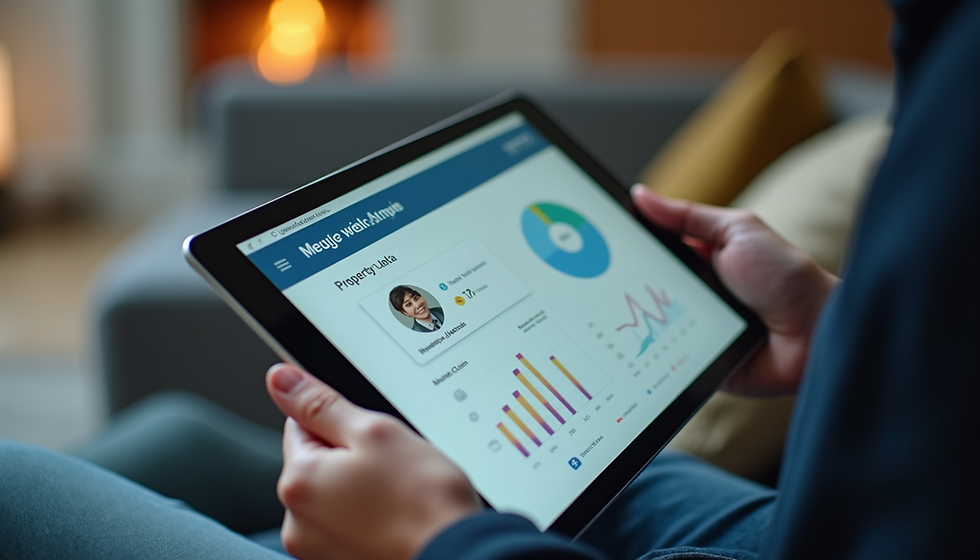
Digital platform showing property transfer details and progress
Real-World Examples of Digital Protocols in Action
Example 1: Blockchain-Based Land Registries
Countries like Sweden and Georgia have implemented blockchain land registries. These systems record property titles on a blockchain, allowing instant verification of ownership and history. In Sweden, this approach reduced the time to register property from months to days, improving market confidence.
Example 2: Smart Contracts in Real Estate Sales
In the United States, some real estate platforms use smart contracts to automate escrow and payment processes. When a buyer deposits funds, the smart contract holds them securely and releases payment to the seller only after all conditions, such as title transfer and inspections, are met.
Example 3: Digital Identity Verification
Platforms like Notarize and DocuSign provide secure digital identity verification and electronic signatures. This technology allows buyers, sellers, and agents to sign documents remotely, speeding up the closing process without compromising legal validity.
Challenges and Considerations
While digital protocols offer many benefits, some challenges remain:
Legal and Regulatory Frameworks: Laws governing property transfers vary by jurisdiction and may not fully recognize digital signatures or blockchain records.
Technology Adoption: Some stakeholders may resist change or lack access to necessary technology.
Data Privacy: Protecting sensitive personal and financial information is critical.
Interoperability: Different platforms and systems need to work together seamlessly.
Addressing these challenges requires collaboration between governments, industry players, and technology providers to create clear standards and user-friendly solutions.
What the Future Holds for Property Transfers
The trend toward digital property transfers will continue as technology advances and regulations adapt. Emerging innovations include:
Artificial Intelligence to analyze property data and detect fraud.
Internet of Things (IoT) devices to verify property conditions automatically.
Decentralized Finance (DeFi) integration to enable new financing options.
These developments promise to make property transfers even more efficient, secure, and accessible.
How to Prepare for Digital Property Transfers
If you are involved in property transactions, consider these steps:
Educate Yourself about digital tools and protocols available in your region.
Choose Platforms that comply with legal standards and offer strong security.
Verify Digital Identities carefully to avoid fraud.
Keep Records of all digital communications and transactions.
Consult Professionals familiar with digital property transfer processes.
By embracing digital protocols, you can save time, reduce risks, and improve your overall experience.
Property transfers are entering a new era where digital protocols replace outdated methods. This change brings faster transactions, stronger security, and greater transparency. Staying informed and adapting to these technologies will help you benefit from a smoother, more reliable property transfer process. Explore available digital solutions today and take the next step toward modern property ownership.

Comments